
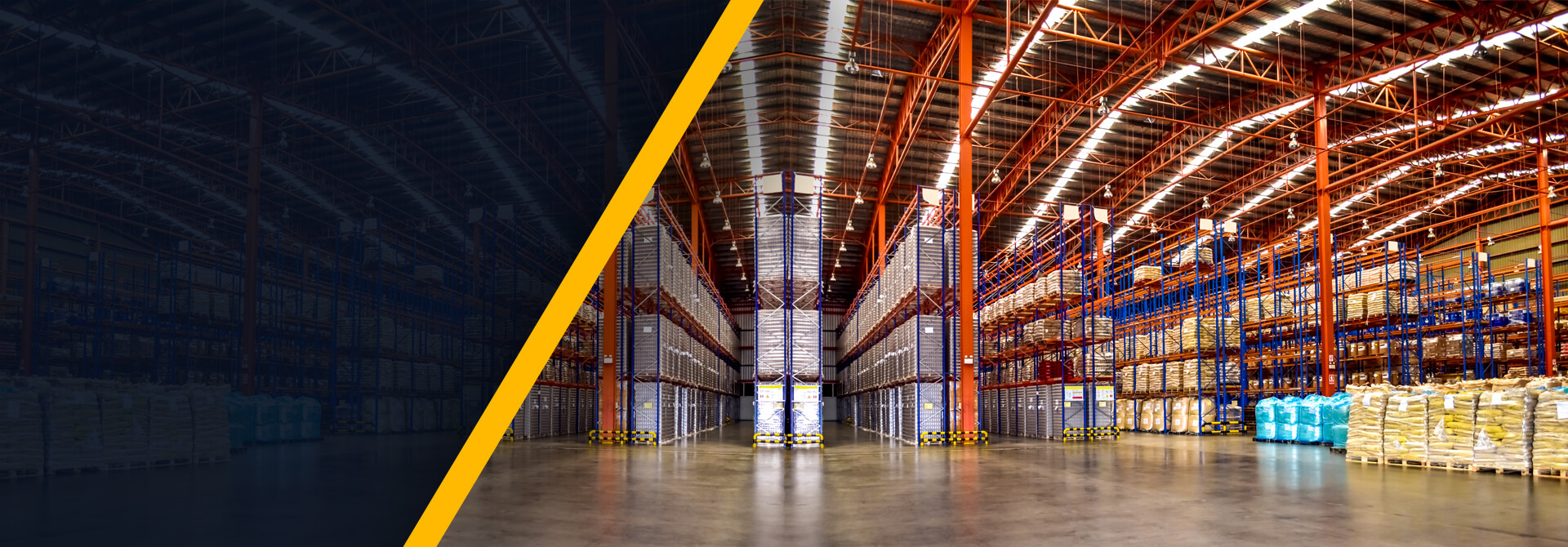
FTZ Warehousing
Store imported goods in a U.S. Foreign-Trade Zone to defer, reduce, or eliminate duties and free up cash flow.
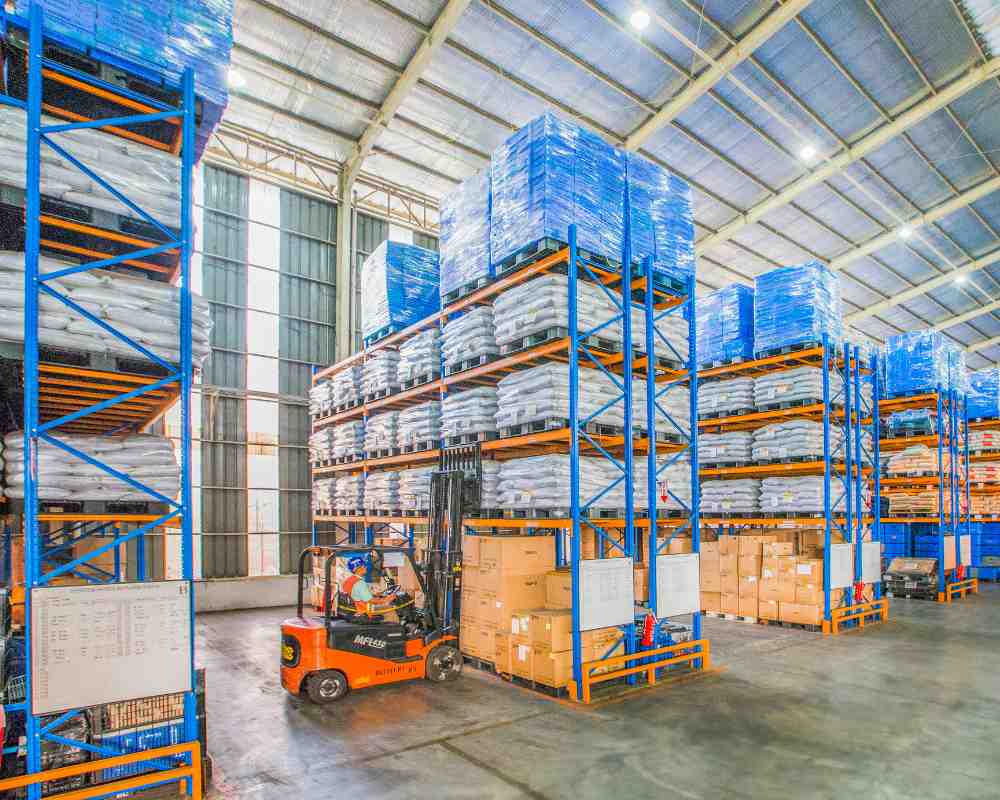
FTZ Warehousing
A Foreign-Trade Zone is a secure area treated as outside U.S. customs territory for duty purposes. When you store imported goods in an FTZ through the A2B Link network, you do not pay duty until the goods leave the zone and enter U.S. commerce, and in many cases you can reduce or eliminate that duty entirely. It is one of the most effective ways for importers to improve cash flow and lower landed cost.
- Duty deferral until goods enter U.S. commerce
- Duty reduction through inverted-tariff benefits
- Duty elimination on re-exported goods
- Merchandise Processing Fee savings
- Full customs compliance and recordkeeping
- Real-time WMS inventory visibility
FTZ Benefits
Duty Deferral
Hold imported goods without paying duty until they leave the zone for U.S. commerce.
Duty Reduction
Inverted-tariff benefits can lower duty when finished goods carry a lower rate than their parts.
Duty Elimination on Re-Exports
Goods that are re-exported from the zone can avoid U.S. duty entirely.
MPF Savings
Weekly entry filing can reduce Merchandise Processing Fees on high-volume imports.
Compliance & Recordkeeping
Full customs-compliant inventory control and reporting for the zone.
Real-Time Visibility
Real-time tracking of admitted, stored, and withdrawn inventory.
Step by Step
Admit
Imported goods are admitted into the FTZ, no duty owed yet.
Store
Inventory is held in the zone with full customs recordkeeping.
Process
Goods can be stored, kitted, or reworked while still in the zone.
Withdraw
Duty is paid only when goods are withdrawn into U.S. commerce.
Benefits of FTZ Warehousing
- Improve cash flow by deferring duty payments
- Lower landed cost through duty reduction and elimination
- Cut Merchandise Processing Fees on high-volume imports
- Store, kit, or rework goods while still in the zone
- Stay fully compliant with customs recordkeeping
- Seamless handoff to our fulfillment, transportation, and IOR/EOR services
FTZ Warehousing Questions
What is FTZ warehousing?
FTZ warehousing stores imported goods inside a U.S. Foreign-Trade Zone, an area treated as outside U.S. customs territory for duty purposes. Duties are not owed until goods leave the zone and enter U.S. commerce, and in some cases can be reduced or eliminated entirely.
How does an FTZ save money?
An FTZ defers duty until goods are withdrawn, can lower duty through inverted-tariff benefits when finished goods carry a lower rate than their components, eliminates duty on goods that are re-exported, and can reduce Merchandise Processing Fees through weekly entry.
What is the difference between FTZ and bonded storage?
Both let you hold imported goods before paying duty, but an FTZ offers broader benefits, duty reduction, elimination on re-exports, and MPF savings, while bonded storage mainly defers duty for a set period. We help you choose the right program.