
Transload
Move freight between modes and containers, ocean to truck or rail, with fast destuffing and reloading.
Transload
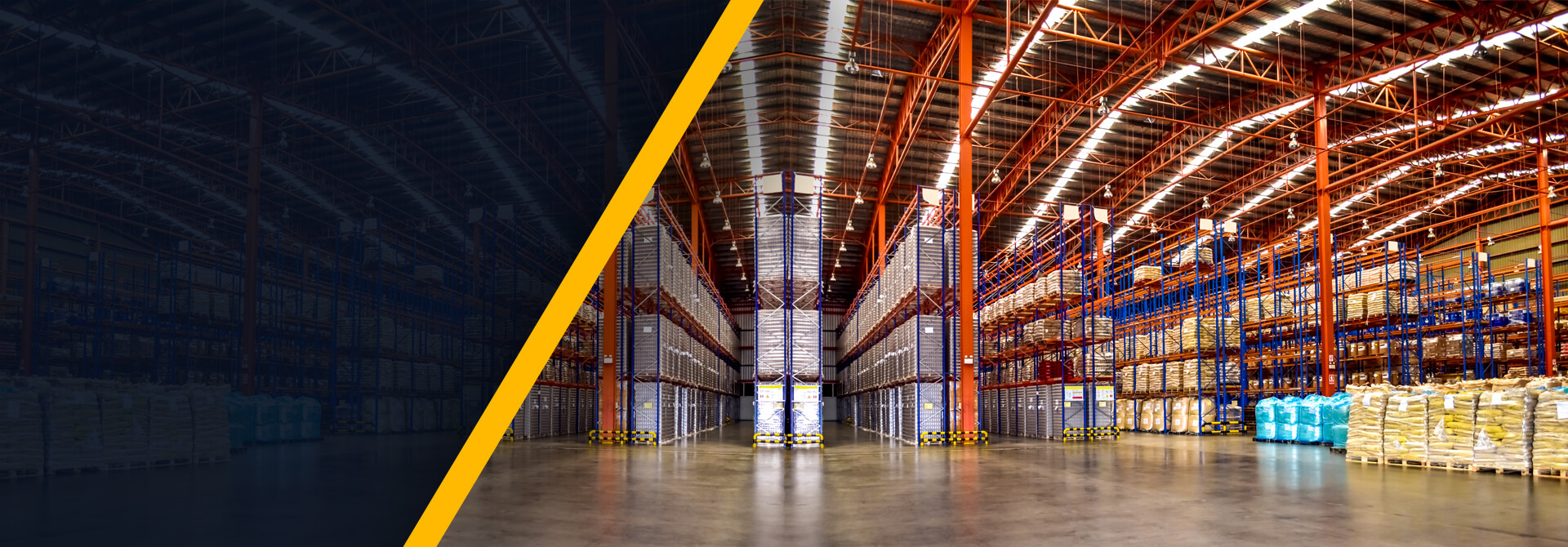
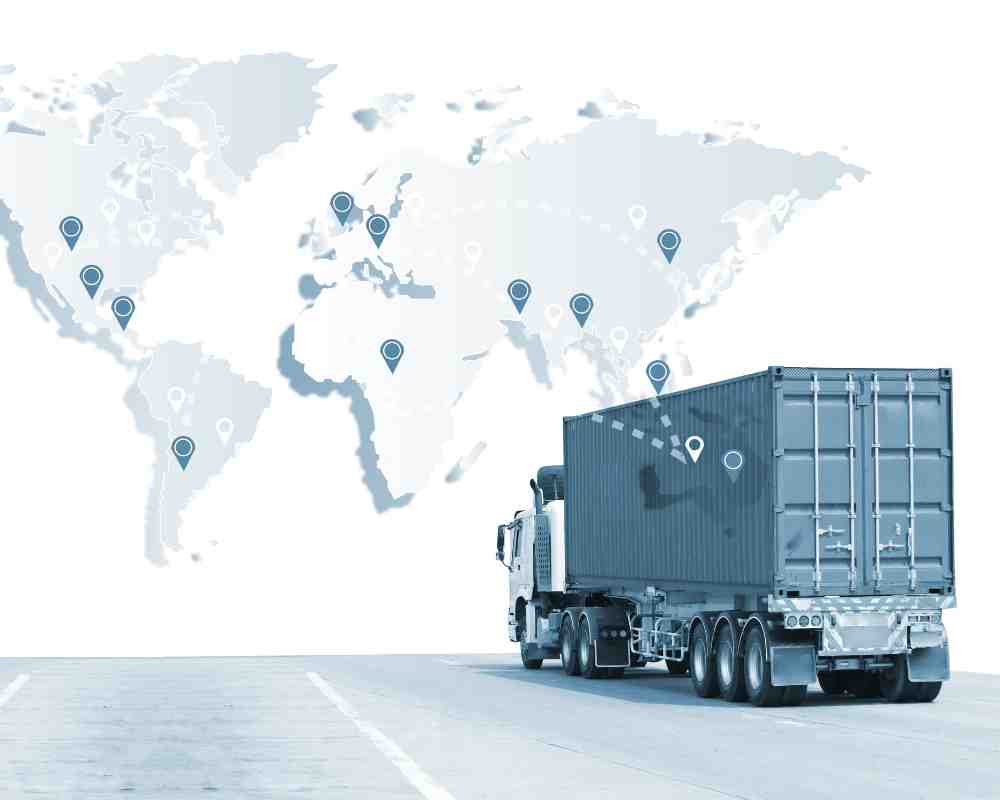
Transloading shifts your freight from one mode or container to another, most often emptying an inbound ocean container and reloading the goods onto domestic trucks or rail. A2B Link handles the destuffing, repalletizing, and reloading at or near the port, so your cargo keeps moving to its next leg without sitting idle.
- Ocean-to-truck and ocean-to-rail transfer
- Container destuffing and reloading
- Repalletizing for domestic equipment
- Deconsolidation to multiple destinations
- Near-port facilities and drayage integration
Full-Service Transload
Container Destuffing
Fast, careful unloading of inbound ocean containers and trailers at or near the port.
Mode-to-Mode Transfer
Freight shifted between ocean, truck, and rail to keep cargo on the fastest path.
Reloading & Repalletizing
Goods rebuilt onto pallets and reloaded to suit domestic trucks or rail cars.
Deconsolidation
Single containers broken out and routed to multiple destinations.
Drayage Integration
Near-port facilities paired with drayage for quick container turnarounds.
Inventory Accuracy
Every unit is checked and tracked through the transload, keeping counts accurate from inbound to outbound.
Step by Step
Receive
Inbound containers or trailers arrive.
Destuff
Freight is unloaded from the inbound container or equipment.
Reload
Goods are repalletized and reloaded onto domestic trucks or rail.
Dispatch
The transloaded freight departs on its next leg.
Benefits of Transloading
- Move import freight onto domestic equipment quickly
- Free up ocean containers and avoid detention charges
- Deconsolidate one container to many destinations
- Optimize loads for trailer and rail-car cube
- Near-port locations for faster drayage and turns
- Seamless handoff to our warehousing, transportation, and IOR/EOR services
Transload Questions
What is transloading?
Transloading is transferring freight from one mode or container to another, for example moving goods from an inbound ocean container into domestic trucks or rail cars, often with reloading or repalletizing in between.
How is transloading different from cross-docking?
Cross-docking moves freight straight from inbound to outbound with minimal handling, usually the same mode. Transloading specifically shifts freight between modes or equipment, such as ocean-to-truck, and often includes destuffing and reloading.
When should I use transloading?
Transloading is ideal at ports and rail hubs, when import containers need to be emptied and reloaded onto domestic equipment, when you want to deconsolidate a container into multiple destinations, or when you need to optimize freight for the next leg.