
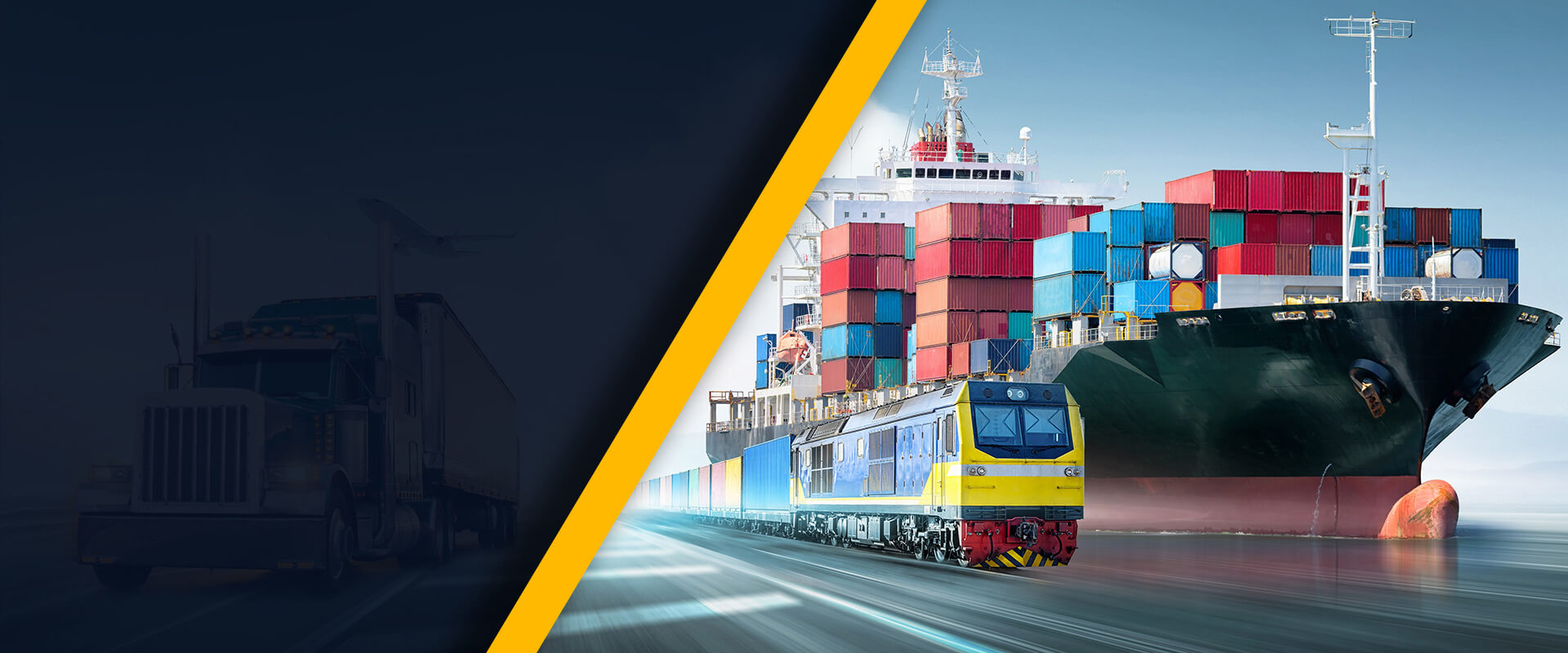
Less-Than-Truckload (LTL)
Cost-effective shipping for freight that does not need a full trailer.
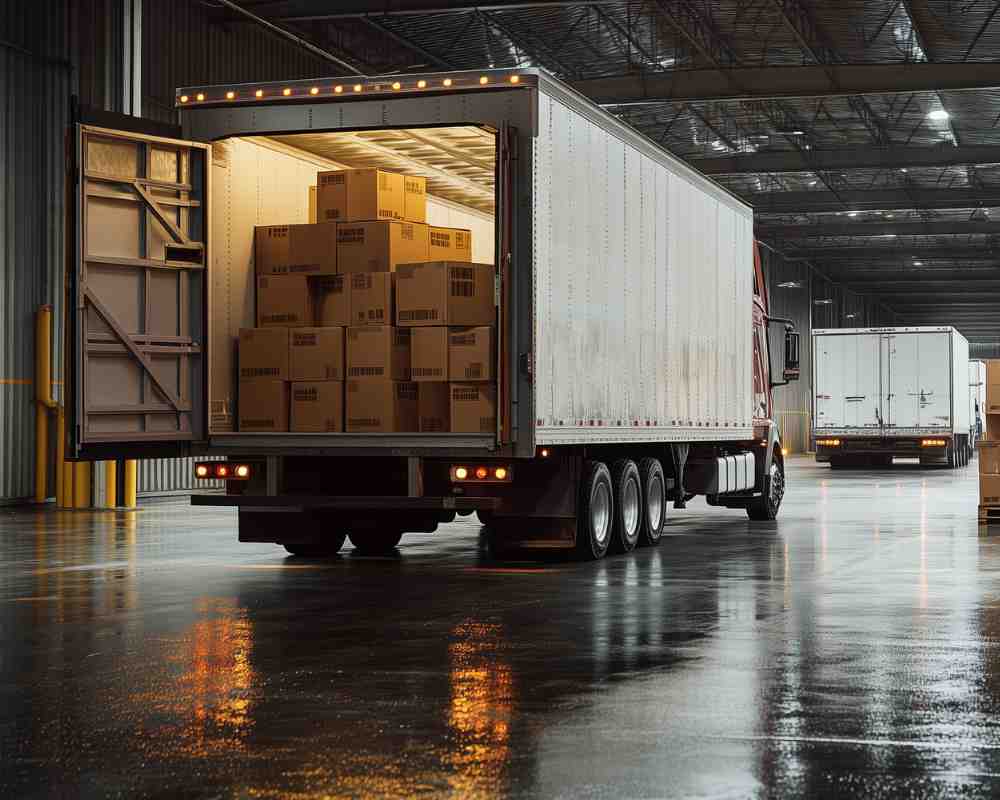
Less-Than-Truckload (LTL)
Less-than-truckload shipping lets you pay for only the trailer space you use, sharing the truck with other shipments. The A2B Link network manages LTL across a nationwide carrier network with the classification, consolidation, and tracking to keep smaller freight moving affordably.
- Pay only for the space you use
- Nationwide LTL carrier network
- Freight classification support
- Consolidation and deconsolidation
- Liftgate and residential options
- Shipment tracking
Less-Than-Truckload (LTL) Capabilities
Shared Capacity
Pay for the space you use instead of a full trailer.
Freight Classification
Correct NMFC class to keep pricing accurate.
Consolidation
Combine shipments for better rates and fewer moves.
Liftgate & Residential
Accessorial options for tricky pickups and deliveries.
Nationwide Coverage
Reliable LTL lanes across the country.
Tracking
Visibility on every LTL shipment.
Step by Step
Book
You share the lane, cargo, and timeline.
Match
We match the right carrier and equipment.
Transit
Freight moves, tracked at every checkpoint.
Deliver
Cargo arrives with proof of delivery.
Benefits of LTL
- Lower cost for smaller shipments
- Access to a broad carrier network
- Accurate classification and pricing
- Flexible pickup and delivery options
- Consolidation for better rates
- Tracking from pickup to delivery
Less-Than-Truckload (LTL) Questions
What is less-than-truckload (LTL) shipping?
LTL shipping moves freight that does not require a full trailer by combining multiple shipments on one truck, so you pay only for the space your freight occupies.
How is LTL priced?
LTL pricing is based on freight class, weight, dimensions, distance, and any accessorials such as liftgate or residential delivery. We help classify your freight to keep pricing accurate.
When is LTL the right choice?
LTL is ideal for shipments roughly one to six pallets that do not fill a trailer and are not so urgent that they need a dedicated direct truck.