
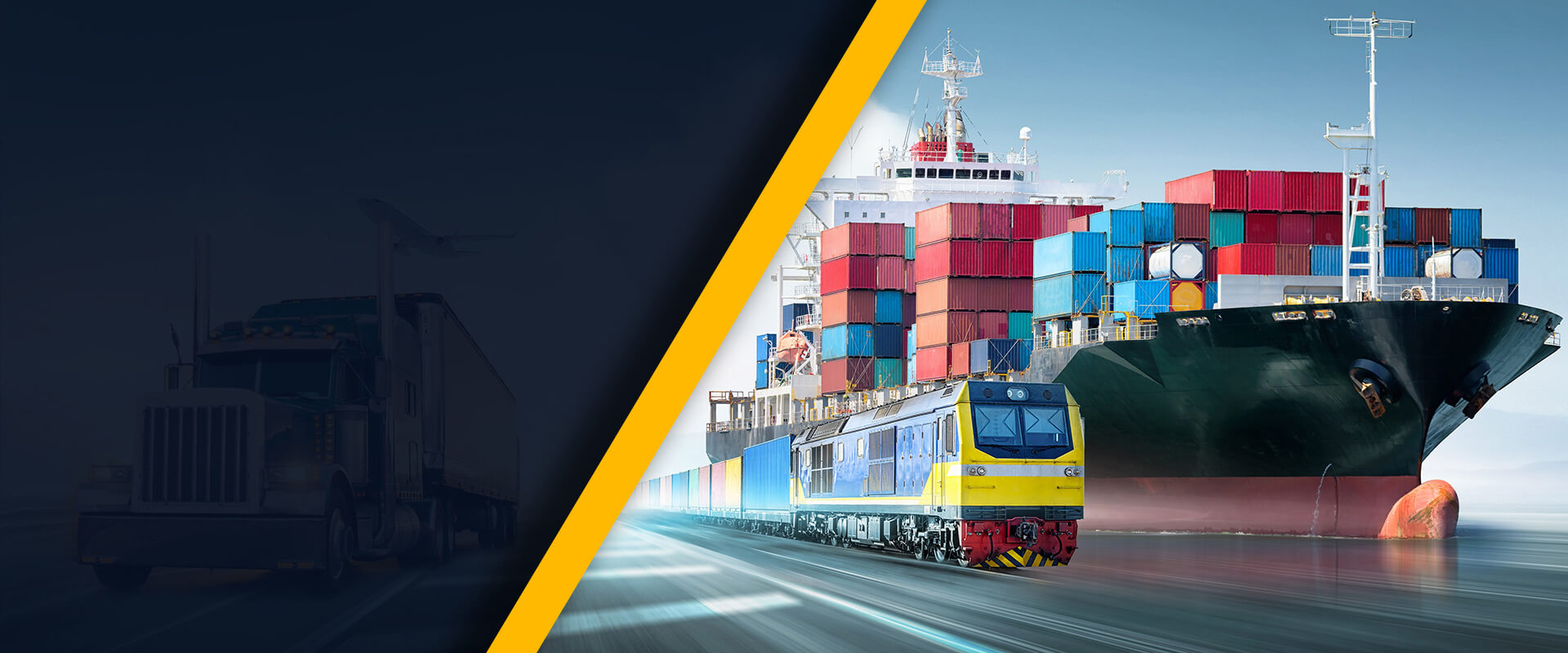
Intermodal Rail
Combine rail and truck for cost-effective, fuel-efficient long-haul moves.
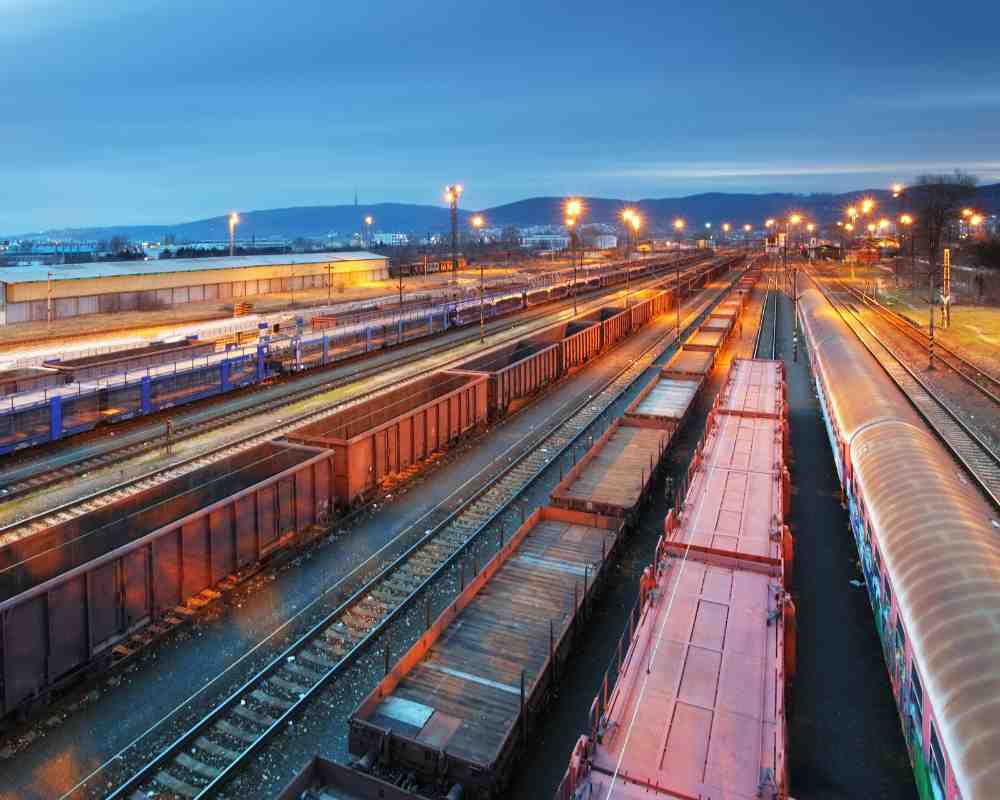
Intermodal Rail
Intermodal rail moves your freight in containers by rail for the long-haul leg, with trucks handling pickup and delivery. The A2B Link network coordinates the rail and drayage so you get lower cost and better fuel efficiency without sacrificing door-to-door service.
- Rail long-haul with truck first and last mile
- Lower cost than over-the-road on long lanes
- Fuel-efficient, lower-emission transport
- Container drayage coordination
- Nationwide rail ramp access
- Shipment tracking
Intermodal Rail Capabilities
Rail Long-Haul
Cost-effective line-haul by rail on long lanes.
Drayage
Trucks handle pickup and delivery to and from ramps.
Fuel Efficient
Lower emissions and fuel use than over-the-road.
Ramp Access
Access to intermodal ramps nationwide.
Door-to-Door
Seamless coordination across rail and truck.
Tracking
Visibility across the intermodal journey.
Step by Step
Book
You share the lane, cargo, and timeline.
Match
We match the right carrier and equipment.
Transit
Freight moves, tracked at every checkpoint.
Deliver
Cargo arrives with proof of delivery.
Benefits of Intermodal Rail
- Lower cost on long-haul lanes
- Reduced fuel use and emissions
- Reliable capacity for steady volume
- Door-to-door coordination
- Nationwide ramp network
- Tracking throughout the move
Intermodal Rail Questions
What is intermodal rail?
Intermodal rail moves freight in containers using more than one mode, rail for the long-haul portion and trucks for pickup and delivery, combining rail economics with door-to-door service.
When does intermodal make sense?
Intermodal is ideal for longer lanes with steady volume where cost and fuel efficiency matter more than the fastest possible transit.
Is intermodal more environmentally friendly?
Yes. Moving freight by rail for the long haul uses less fuel and produces fewer emissions per ton-mile than over-the-road trucking.