
Cross-Docking
Move freight straight from inbound to outbound, less storage, less handling, faster delivery.
Cross-Docking
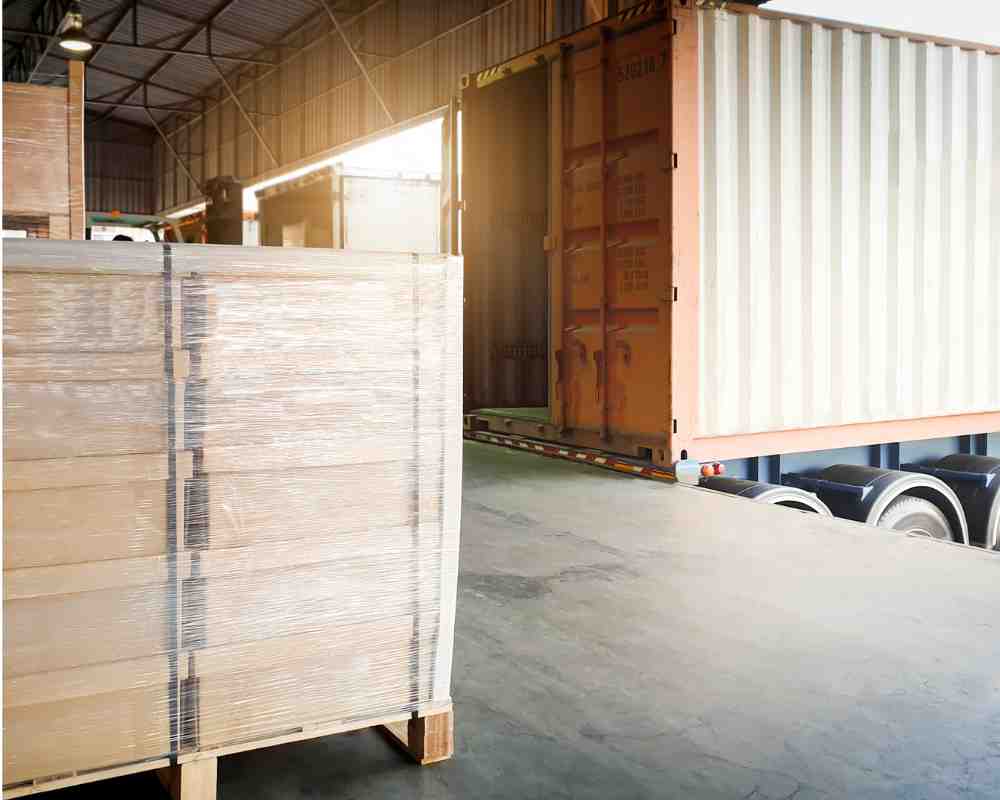
Cross-docking transfers your freight directly from inbound trucks to outbound transportation with minimal storage in between. Goods are received, sorted, and reloaded, often within hours, so inventory keeps moving instead of sitting on a shelf. The result is lower handling costs, shorter transit times, and fresher product in your customers' hands.
- Direct inbound-to-outbound transfer, minimal dwell time
- LTL consolidation and deconsolidation
- Palletizing, sorting, and re-labeling
- Retail and e-commerce order routing
- Near-port facilities for fast drayage turns
Full-Service Cross-Docking
Inbound-to-Outbound Transfer
Freight moves straight across the dock from receiving to shipping, cutting storage cost and dwell time.
Consolidation & Deconsolidation
Combine multiple inbound LTL shipments into full outbound loads, or break bulk freight down for regional distribution.
Sorting & Re-Labeling
Palletizing, sorting by destination, and retailer-compliant labeling before goods leave the dock.
Port & Drayage Integration
Near-port cross-dock facilities keep import containers moving with fast drayage turnarounds.
Inventory Accuracy
Every pallet is checked and tracked as it moves through the dock, so counts stay accurate from inbound to outbound.
Time-Critical Handling
Priority flow for perishable, pre-sold, and deadline-driven freight that cannot wait in storage.
From Dock to Delivery
Receive
Inbound trucks and containers are unloaded on arrival.
Sort
Goods are sorted by destination, consolidated or broken down, and labeled for outbound.
Stage
Outbound loads are staged at the shipping dock and matched to carriers and appointments.
Ship
Freight departs on outbound transportation, often the same day it arrived.
Benefits of Cross-Docking
- Lower storage and inventory-carrying costs
- Faster transit and shorter order-to-delivery times
- Reduced product handling and lower risk of damage
- Fresher delivery for perishable and time-sensitive goods
- Efficient LTL consolidation for better freight economics
- Seamless integration with our warehousing and transportation services
Cross-Docking Questions
What is cross-docking?
Cross-docking is a logistics process where inbound freight is unloaded and transferred directly to outbound transportation with little or no storage in between. Goods move across the dock, from receiving to shipping, in hours rather than days, reducing warehousing costs and speeding delivery.
How is cross-docking different from traditional warehousing?
Traditional warehousing stores inventory until it is ordered. Cross-docking skips long-term storage: product is received, sorted, and reloaded for immediate outbound shipment. It suits fast-moving, pre-sold, or time-sensitive freight where holding inventory adds cost rather than value.
What types of freight are best suited for cross-docking?
Cross-docking works well for pre-allocated retail and e-commerce orders, high-turnover consumer goods, perishable and time-sensitive shipments, and LTL freight being consolidated or deconsolidated. The A2B Link network assesses your volumes and lanes to confirm cross-docking is the right fit.